“MATERIALE RESIDUO” è il frutto di una ricerca condotta tra Marina di Acate e Vittoria, nel
sud-est della Sicilia, in una delle aree agricole più estese d’Europa. Qui, nella “fascia
trasformata”, le serre coprono chilometri di territorio e producono grandi quantità di
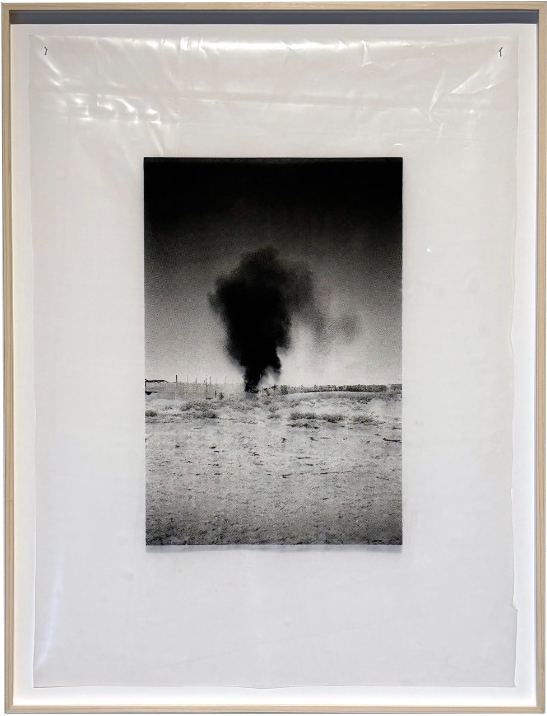
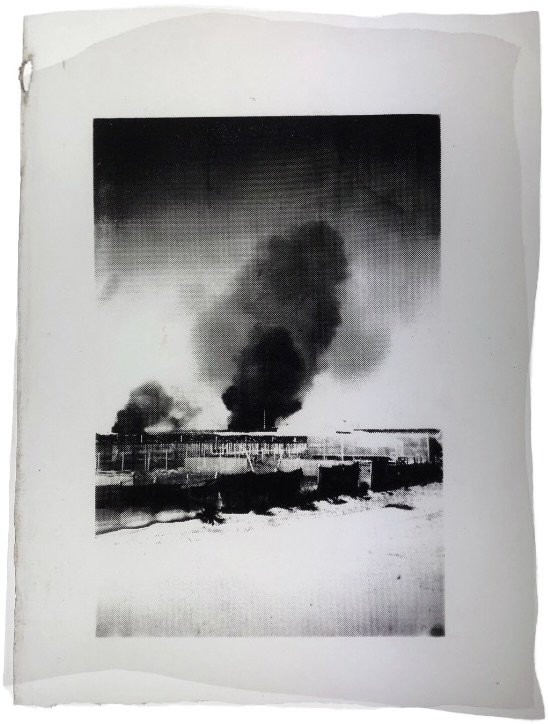
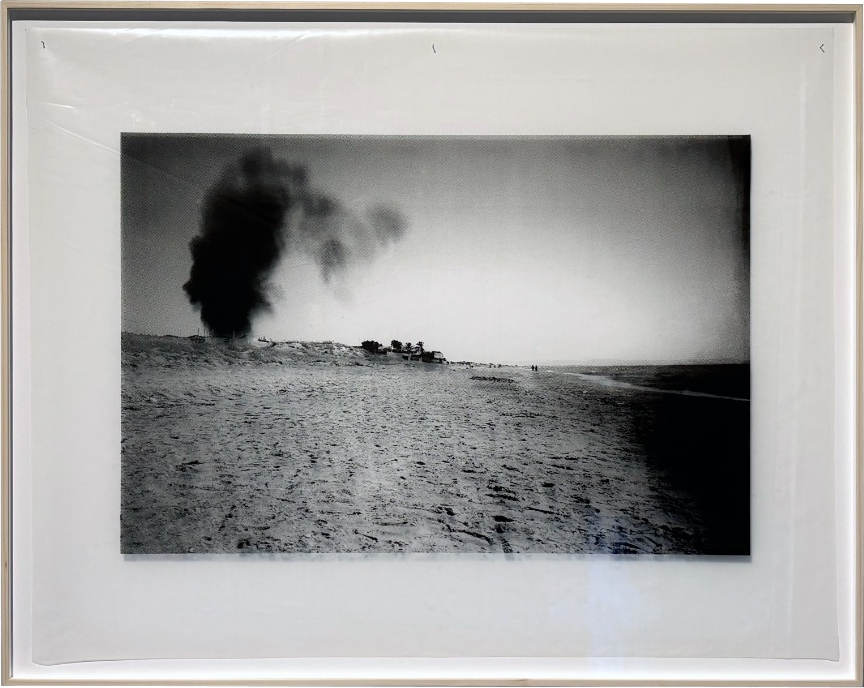
rifiuti plastici che spesso vengono smaltiti illegalmente attraverso la combustione, dando
origine
alle cosiddette fumarole, causando un progressivo deterioramento dell’ambiente e della
salute
pubblica.
La serie esplora l’idea di un ecosistema malato, mostrando come la combustione dei rifiuti
agricoli chiuda un ciclo tossico che coinvolge ambiente, piante e persone. L’uso di diverse
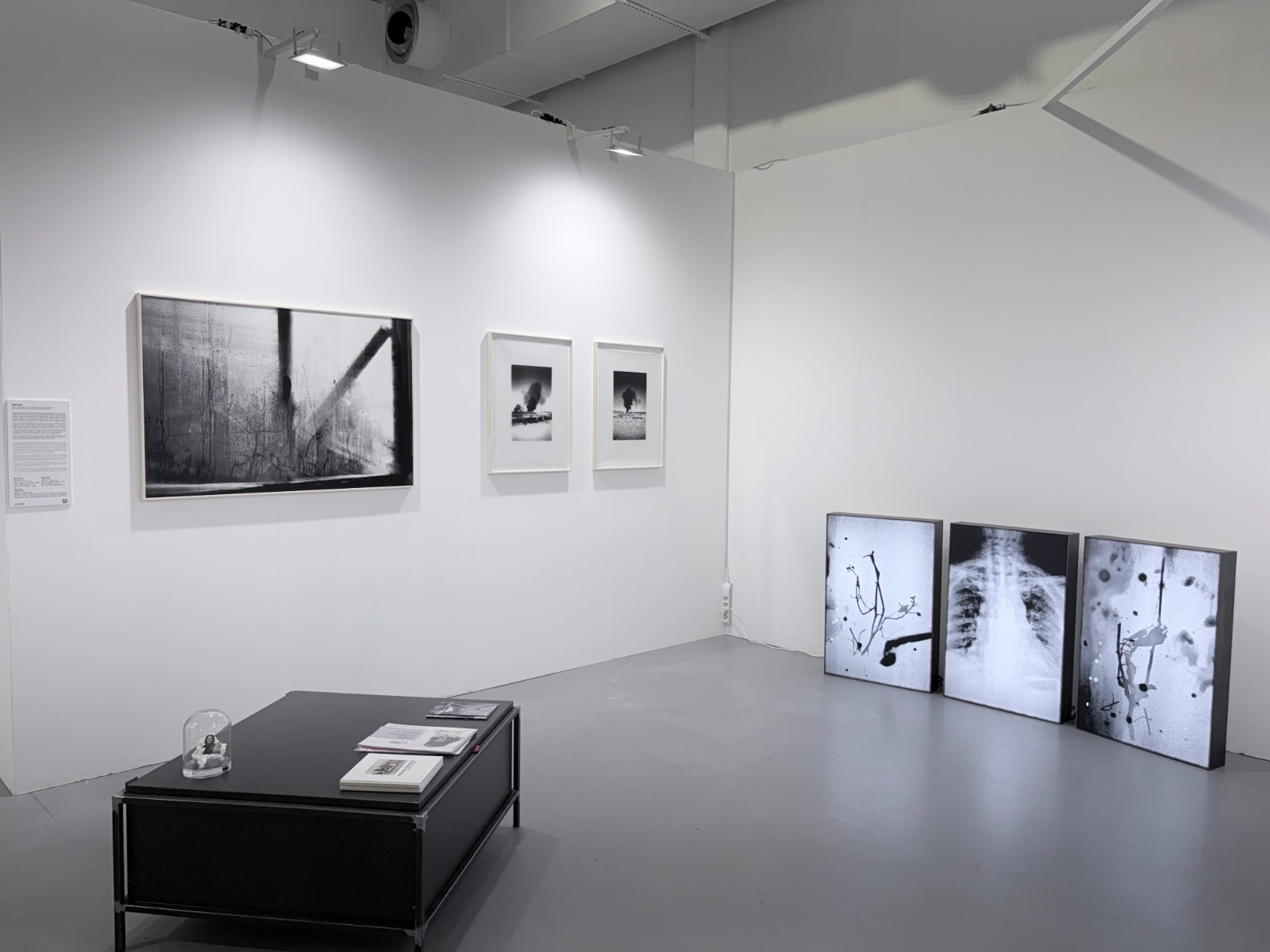
tecniche — lightbox, serigrafia su plastica e fotografia analogica — riflette sia la
pluralità degli impatti sia la complessità della memoria visiva del territorio.
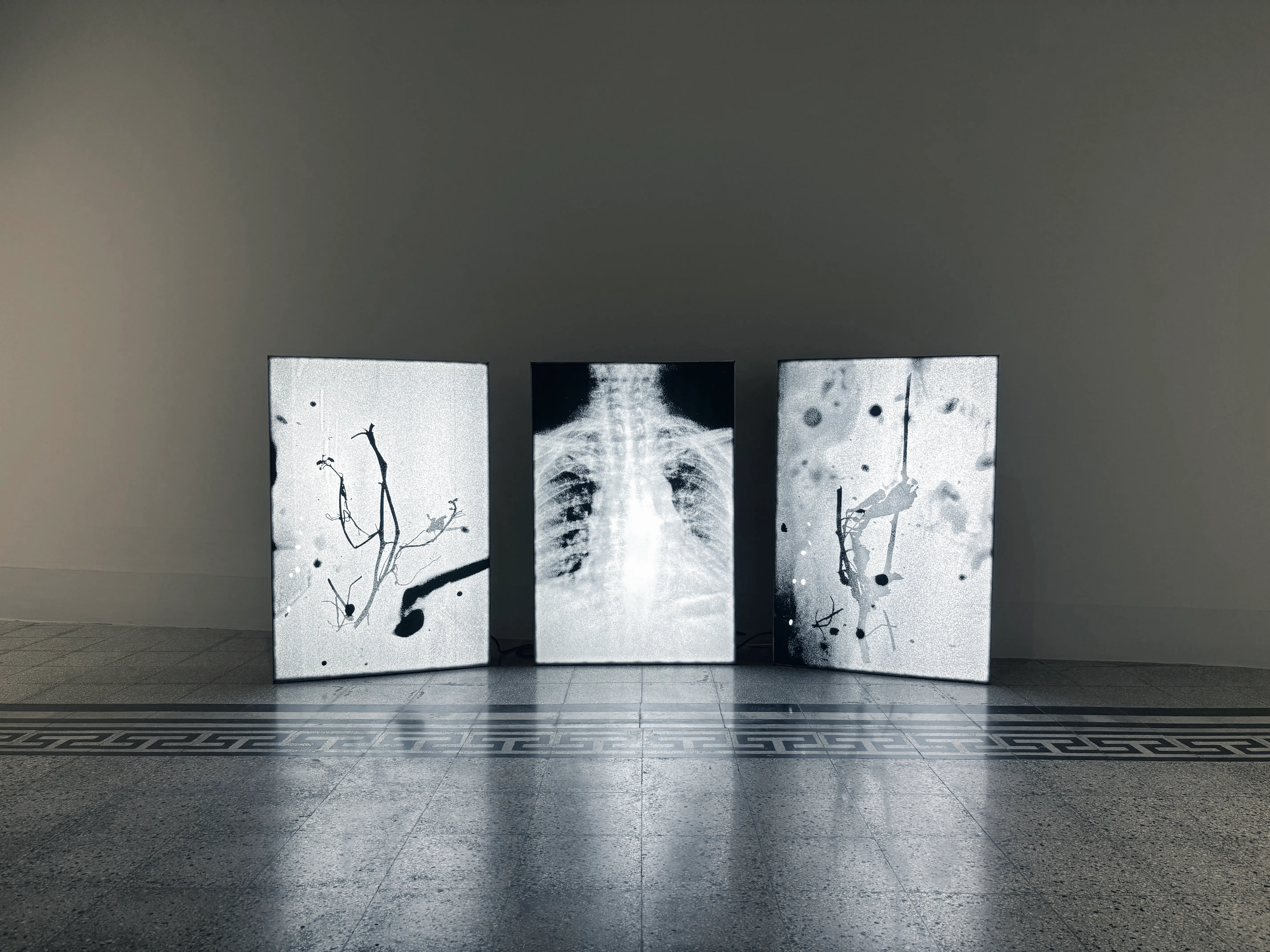
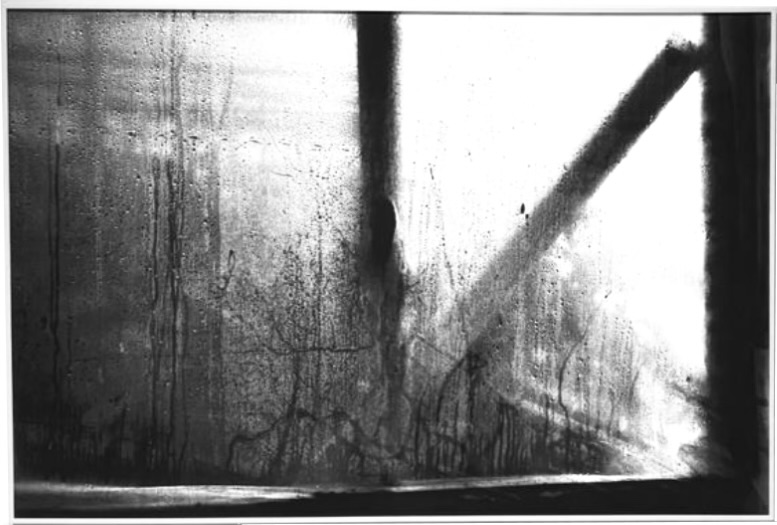
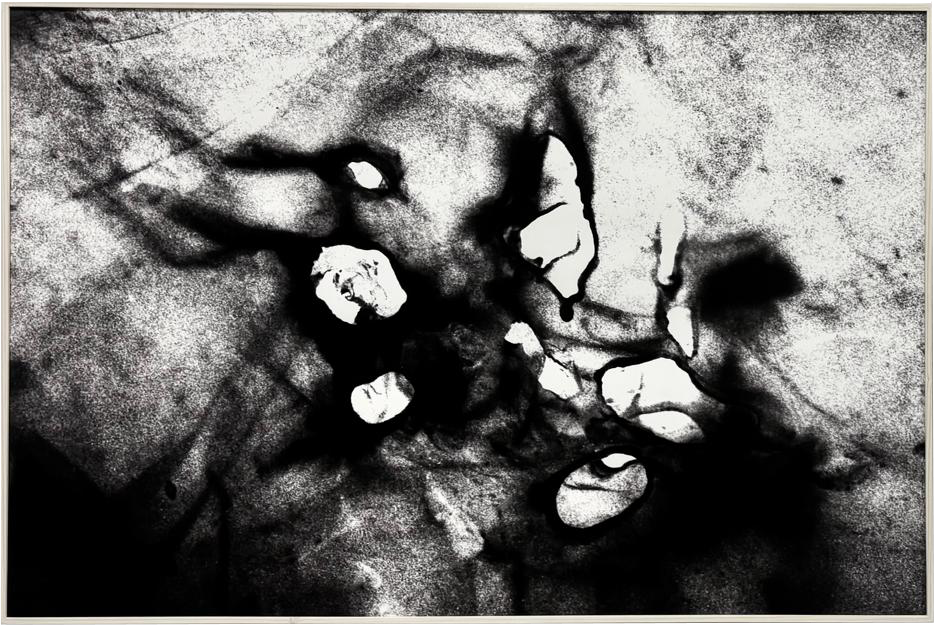
I tre lightbox formano un’unica installazione, il risultato è un dispositivo quasi medico:
una stazione diagnostica che mette in relazione ambiente, esseri umani e vegetazione.
Le immagini delle fumarole sono invece serigrafate su plastica di scarto recuperata dalle
coperture delle serre.
L’intero progetto è concepito come un’indagine medica applicata al paesaggio: una sorta di
radiografia estesa del territorio, in cui ogni immagine tenta di rivelare ciò che
solitamente
rimane invisibile — l’accumulo di tossicità, le ferite diffuse e la vulnerabilità condivisa.
“MATERIALE RESIDUO” is the result of research conducted between Marina di Acate and
Vittoria, in south-eastern Sicily, in one of the largest agricultural areas in Europe. Here,
in the so-called “fascia trasformata” (transformed belt), greenhouses stretch for miles
across the landscape, generating large quantities of plastic waste that is often disposed
of illegally through combustion, producing the fumarole. This practice has led to the
progressive deterioration of both the environment and public health.
The series explores the idea of a diseased ecosystem, showing how the burning of
agricultural waste closes a toxic cycle that involves the environment, plants, and people.
The use of different techniques — lightboxes, screen printing on plastic, and analog
photography —
reflects both the plurality of impacts and the complexity of the territory’s visual memory.
The three lightboxes form a single installation. The result is an almost medical device:
a diagnostic station that connects environment, human beings, and vegetation.
The images of the fumarole are screen-printed onto discarded plastic recovered from
greenhouse coverings.
The entire project is conceived as a medical investigation applied to the landscape — a kind
of extended X-ray of the territory, in which each image attempts to reveal what usually
remains invisible: the accumulation of toxicity, widespread wounds, and shared
vulnerability.